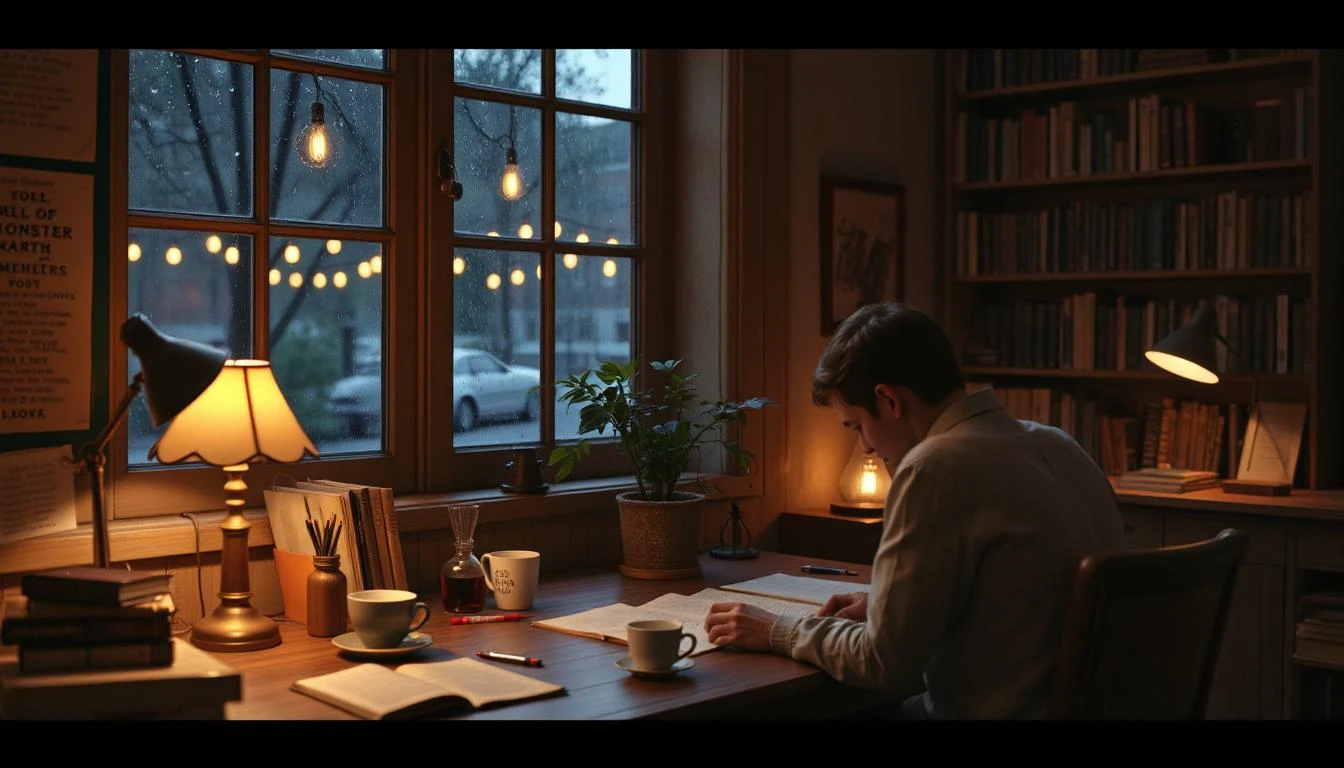
Creative Writing Techniques Explained

Stories are no longer just entertainment hidden inside novels or movie scripts. Today, storytelling shapes personal branding, digital culture, social media influence, and even the way people connect emotionally online. Readers are becoming more selective, scrolling faster yet craving content that feels authentic, immersive, and emotionally alive. That shift is exactly why strong writing matters more than ever. A compelling story can hold attention, build trust, and leave a lasting imprint long after the final sentence fades.
In the middle of this evolving digital lifestyle, creative writing techniques explained through practical and emotionally engaging approaches have become increasingly valuable for aspiring writers and experienced creators alike. People are searching for ways to create stories that feel cinematic, relatable, and unforgettable without sounding artificial or repetitive. The difference between content that gets ignored and stories that genuinely resonate often comes down to mastering structure, emotional depth, pacing, and narrative flow.
Understanding Creative Writing Techniques
Modern readers rarely stay connected to flat storytelling. They want emotion, atmosphere, tension, and realism woven naturally into every paragraph. This is where writers begin to realize that creative writing is not simply about imagination. It is about understanding how words influence emotion, curiosity, and memory at the same time.
Writers who consistently captivate audiences often rely on advanced writing methods that sharpen emotional impact while keeping the narrative smooth and engaging. From immersive scene-building to subtle psychological tension, these techniques help transform ordinary ideas into stories readers genuinely remember.
Importance of Style and Tone in Writing
Style and tone are the emotional fingerprints of a story. They shape how readers interpret characters, atmosphere, and emotional tension from the very first paragraph. Some writing feels warm and conversational, while other styles create mystery, elegance, or emotional intensity. Tone influences how deeply readers connect with the narrative experience.
A relaxed and interactive tone often performs especially well in today’s content landscape because readers prefer writing that feels personal rather than robotic. As author Stephen King once explained, “Description begins in the writer’s imagination but should finish in the reader’s.” That insight reflects how impactful storytelling depends on guiding emotion rather than overexplaining every detail.
Developing Originality in Storytelling
Originality is not always about inventing completely new concepts. Sometimes, it comes from presenting familiar emotions through fresh perspectives and honest observations. Readers are naturally drawn toward stories that feel emotionally genuine because authenticity creates connection.
A writer can develop stronger originality by observing everyday behavior, conversations, digital culture, and emotional patterns people rarely discuss openly. Small details often become the strongest storytelling material. The way someone avoids eye contact during difficult conversations or laughs to hide discomfort can reveal more than pages of direct explanation ever could.
Building Immersive Reading Experiences
Immersion happens when readers stop feeling like observers and begin feeling emotionally present inside the story itself. Strong immersive writing relies on sensory details, emotional realism, and smooth pacing that keeps scenes flowing naturally.
Instead of simply describing a crowded café, a writer might describe the bitter scent of burnt coffee drifting through humid air while keyboards click beneath quiet conversations and distant rain taps against fogged windows. Those subtle sensory layers make scenes feel alive rather than decorative.
Readers also connect more deeply with stories that trigger emotional recognition. That is why immersive storytelling remains one of the most effective ways to increase engagement and reader retention naturally.
Essential Techniques For Creative Writers
Every memorable story usually rests on a handful of foundational techniques that quietly shape the reader’s emotional experience. Without these elements, even interesting ideas can feel disconnected or forgettable. The good news is that these techniques can be practiced, refined, and developed over time.
Many modern writers improve rapidly once they begin focusing less on sounding impressive and more on making readers genuinely feel something through atmosphere, rhythm, and emotional tension.
Show Don't Tell Writing Method
The “show, don’t tell” technique remains one of the most important principles in creative writing because it invites readers to experience emotion directly rather than simply being informed about it.
For example, saying “he felt nervous” communicates information, but describing trembling hands, shallow breathing, or restless pacing creates emotional participation. Readers instinctively interpret the feeling themselves, which strengthens immersion. This method becomes especially powerful in emotionally charged scenes where subtle gestures, expressions, and environmental details reveal hidden tension beneath the dialogue.
Using Descriptive Language Effectively
Descriptive language works best when it sharpens emotional atmosphere instead of overwhelming the reader with excessive detail. The goal is not to describe everything. The goal is to describe the right things.
Strong descriptions often combine sensory imagery with emotional context. A storm does not merely darken the sky. It might press heavy silence across empty streets while cold wind rattles loose window frames. These details create mood, not just visuals. Writers who master descriptive storytelling understand how rhythm, pacing, and word selection influence emotional impact far beyond surface-level imagery.
Creating Realistic Dialogue and Scenes
Dialogue feels realistic when characters sound emotionally human rather than perfectly scripted. Real conversations contain hesitation, interruption, vulnerability, humor, and subtext hidden beneath ordinary words.
Readers quickly recognize unnatural dialogue because it often sounds overly polished or emotionally empty. Strong dialogue reveals personality, conflict, insecurity, and motivation all at once. Author Ernest Hemingway once emphasized that “good writing is often about what remains unsaid beneath the surface.” That idea still shapes modern storytelling because emotional subtext frequently matters more than direct explanation.
Advanced Methods To Improve Writing
Once foundational storytelling skills become more comfortable, writers often begin exploring deeper narrative techniques that create stronger emotional complexity and psychological engagement. This is usually the stage where storytelling starts feeling more cinematic and emotionally layered.
Readers today are drawn toward stories that create anticipation, emotional uncertainty, and realism. They want narratives that feel unpredictable yet emotionally believable at the same time.
Building Suspense and Emotional Depth
Suspense is not limited to thriller stories. Emotional suspense can exist inside romance, drama, or even reflective personal narratives. Readers continue reading because they want emotional answers, hidden truths, or unresolved tension to finally surface.
Small unanswered questions create momentum naturally. Why does a character avoid certain conversations? Why does a seemingly confident person suddenly become distant? Emotional curiosity quietly drives reader engagement throughout the story.
Deep emotional writing also comes from contradictions. Characters become more believable when confidence hides insecurity or humor conceals loneliness. Those layered emotional details make narratives feel psychologically authentic.
Editing and Revising Creative Work
Powerful writing rarely appears perfectly during the first draft. Revision is where clarity, rhythm, emotional pacing, and structure become sharper and more intentional. Many writers improve dramatically once they begin reading their work aloud. Awkward sentence flow, repetitive wording, and unnatural dialogue become easier to identify through sound rather than silent reading.
Editing is not about removing personality from writing. It is about strengthening the emotional precision behind every paragraph so readers remain connected without distraction.
Experimenting with Narrative Perspectives
Narrative perspective changes how readers emotionally experience a story. First-person narration creates intimacy and vulnerability, while third-person narration often allows broader emotional and environmental observation.
Some modern writers experiment with fragmented timelines, unreliable narrators, or shifting perspectives to create tension and unpredictability. These techniques can make stories feel psychologically immersive when used carefully. Perspective also influences emotional trust. Readers naturally interpret events differently depending on who controls the narrative voice and how much information remains hidden.
Master Creative Writing Techniques And Improve Your Skills
Great storytelling is rarely built through talent alone. It grows through observation, emotional honesty, curiosity, and consistent practice. Writers who continue improving are usually the ones willing to study people, emotions, atmosphere, and communication patterns in everyday life.
The most memorable stories often emerge from ordinary moments transformed through meaningful perspective. A quiet conversation, an awkward silence, or a forgotten memory can suddenly become emotionally powerful when written with clarity and authenticity. That is what makes creative writing feel timeless even as trends constantly evolve.